

Metallurgical straightening operations take place under extremely harsh working conditions. High material friction, continuous high-load contact, scattered metal oxide scale, and fluctuating operating speeds all contribute to gradual component damage. Many factory teams only replace worn parts after faults occur, ignoring daily minor wear that accumulates into serious equipment failure.
The primary wear types in straightening equipment include surface abrasive wear, thermal fatigue cracking, and local indentation damage. Abrasive wear mainly comes from repeated friction between metal materials and the Roller surface, aggravated by hard oxide particles attached to the workpiece. Thermal fatigue damage forms due to continuous temperature changes during high-speed straightening production. Without regular maintenance, these subtle damages will gradually destroy the roller surface finish and dimensional accuracy.
A well-maintained straightening roller can maintain stable straightening precision for years, while neglected units often lose accuracy within a few months, bringing unstable product quality and increased operational costs to production lines.
Practical Maintenance Methods to Effectively Reduce Roller Wear
1. Regular Surface Cleaning and Scale Removal
Metal oxide scale and dust adhesion are the biggest invisible causes of accelerated roller wear. During continuous steel pipe, steel bar, and profile straightening processes, a large amount of hard metal debris adheres to the roller surface. These tiny hard particles act as abrasive sand, continuously scratching and wearing the roller surface during operation.
Developing a daily cleaning routine can eliminate this issue fundamentally. After daily production shutdown, workers need to clean residual oxide scale and metal debris on the roller surface with professional tools. Regular surface cleaning avoids long-term particle accumulation, protects the original surface hardness and smoothness, and effectively reduces abrasive wear of the industrial Straightening Roller.
2. Scientific Lubrication and Temperature Control
High-speed straightening work generates massive friction heat, causing rapid temperature rise on the roller surface. Long-term high-temperature operation will lead to thermal softening of the surface layer, reducing wear resistance and even causing thermal fatigue cracks. Reasonable lubrication and cooling maintenance can solve thermal wear problems perfectly.
Factories need to select dedicated high-temperature resistant lubricating oil and cooling liquid for metallurgical equipment, and regularly replace aging lubricants. Standardized lubrication can form a uniform protective oil film on the roller surface, reducing direct metal-to-metal friction. Meanwhile, stable cooling control keeps the roller operating temperature within a safe range, avoiding performance attenuation caused by thermal deformation.
3. Periodic Precision Calibration and Gap Adjustment
Long-term high-load operation will cause slight displacement of the roller installation position and deviation of straightening gap parameters. Misaligned roller gaps lead to uneven stress on workpieces and local over-compression of the roller surface, resulting in irregular indentation wear and partial rapid abrasion.
Professional maintenance teams need to conduct weekly gap detection and monthly precision calibration. Timely adjustment of running gaps ensures uniform stress on the roller surface during each straightening cycle, avoids local overload wear, and maintains consistent straightening accuracy and equipment stability.
4. Timely Inspection and Minor Repair Polishing
Micro scratches and slight wear marks are inevitable in daily production. Small defects that are not repaired in time will expand rapidly under continuous friction and impact, eventually leading to scrapped rollers. Regular manual inspection and minor repair polishing are essential low-cost maintenance measures.
Using professional fine polishing tools to repair tiny surface flaws can restore the roller surface smoothness, prevent defect expansion, and maximize the service cycle of metallurgical straightening equipment.
Standard Maintenance Parameters for Wear Reduction
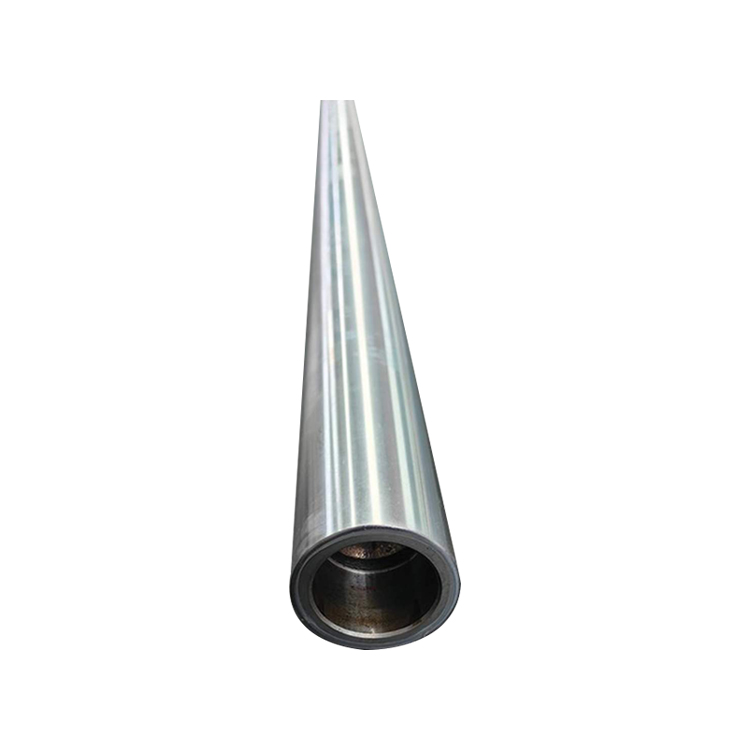
Scientific maintenance must be based on standardized parameter indicators. The following industry-recognized maintenance parameters provide reliable guidance for factory daily management, effectively reducing abnormal wear and improving equipment durability:
Maintenance Item | Standard Parameter | Wear Reduction Effect |
|---|---|---|
Daily Surface Cleaning Frequency | 1 Time After Daily Shutdown | Remove abrasive scale and avoid scratch wear |
Lubricant Replacement Cycle | Every 30 Working Days | Ensure stable oil film and reduce friction loss |
Allowable Operating Temperature | ≤75℃ Continuous Operation | Prevent thermal softening and fatigue cracking |
Precision Calibration Cycle | Monthly Full Inspection | Avoid uneven stress and local overload wear |
Minor Polishing Maintenance Cycle | Quarterly Fine Repair | Eliminate micro defects and prevent defect expansion |
FAQs About Straightening Roller Maintenance and Wear Control
1. What causes the fastest wear on metallurgical Straightening rollers?
The fastest wear comes from unremoved oxide scale and poor lubrication. Hard metal particles cause continuous abrasive scratching, while insufficient lubrication leads to direct metal friction. Adhering to daily cleaning and lubrication rules is the most effective way to protect a straightening roller.
2. Can regular maintenance double the equipment service life?
Yes. Well-executed daily maintenance can extend roller service life by 1.5 to 2 times. Most factory rollers are scrapped due to accumulated minor wear rather than natural service life expiration. Standard maintenance greatly reduces abnormal failure rates.
3. Is high-temperature operation the main factor of roller failure?
High temperature accelerates wear, but it is not the core factor. Temperature rise paired with uncleaned surface impurities and poor lubrication forms composite damage. Independent temperature control and surface maintenance can effectively avoid thermal wear failure.
4. How to judge whether the roller needs maintenance or polishing?
If finished metal materials have uneven surfaces, slight straightening deviations, or visible fine scratches on the roller surface, maintenance and fine polishing are required. Early intervention can avoid costly replacement and production downtime.
Overall, proper daily maintenance is the most cost-effective way to control equipment wear in metallurgical production. Scientific cleaning, lubrication, calibration, and minor repairs can completely avoid most premature wear problems. Investing a small amount of time in routine upkeep stabilizes straightening precision, reduces replacement costs, and keeps the entire metal processing line operating efficiently for a long time.
 Contact person:Mr.Wu
 Phone:+86 18602539156
 Email:wuqi231138@126.com
This website uses cookies to ensure you get the best experience on our website.
 Español
 Pусский
 Indonesia
 Tiếng Việt


Comment
(0)