

If you run a rolling mill or manage metallurgical production lines, you already know how critical core rolling components are to your daily output. Worn or low-quality rolling parts can lead to uneven plate surfaces, frequent production stops, and costly maintenance delays. Many production managers simply replace components with generic options without checking core performance indicators, which creates continuous hidden losses. Picking a properly durable work roll is one of the simplest ways to stabilize production efficiency and cut long-term operational expenses.
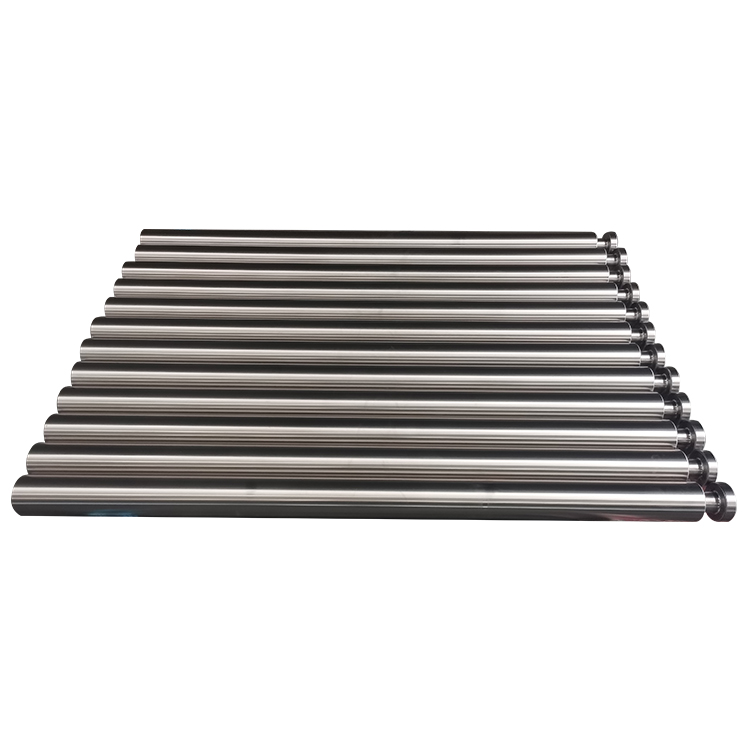
Why Durable Rolling Components Matter for Rolling Mill Operations
Metallurgical rolling environments feature high pressure, continuous friction, and frequent temperature changes. Ordinary industrial rolling parts often fail to withstand long-duration cyclic operation, resulting in surface peeling, abrasion, and dimensional deviation after short-term use. These defects directly affect the flatness, thickness accuracy, and surface finish of steel plates, aluminum strips, and other metal products.
A professionally manufactured work roll is engineered specifically for harsh rolling mill working conditions. With optimized material formulas and precise heat treatment processes, it maintains stable mechanical performance under high-load and high-frequency rolling tasks. For medium and large rolling factories, durable rolling components effectively lower replacement frequency, reduce unplanned downtime, and ensure consistent product quality in mass production.
Key Technical Parameters to Evaluate Rolling Component Durability
Most production buyers judge component quality only by price or basic appearance, which leads to wrong purchasing decisions. Professional procurement relies on standardized mechanical and industrial parameters. The following comparison table clearly shows the performance gap between general-grade and industrial heavy-duty rolling parts, providing reliable data support for factory selection.
Performance Parameter | General Standard Roll | Heavy-Duty Durable Roll |
|---|---|---|
Roll Surface Hardness | 48-55 HRC | 58-65 HRC |
Tensile Strength | 750-850 MPa | 900-1100 MPa |
Allowable Rolling Pressure | ≤1200 KN | 1200-2000 KN |
Service Life (Continuous Operation) | 3000-5000 hours | 8000-12000 hours |
Surface Roughness Tolerance | Ra ≤1.6μm | Ra ≤0.8μm |
1. Material Composition and Heat Treatment Process
Material foundation determines the basic service life of rolling components. High-durability rolling parts usually adopt high-chromium alloy steel or high-speed steel materials, which feature excellent wear resistance and thermal stability. Regular low-cost products use ordinary carbon steel or low-alloy materials, which soften easily under high rolling temperature and pressure.
In addition to raw materials, secondary heat treatment including quenching and tempering is essential. Standard multiple heat treatment processes eliminate internal material stress, improving overall toughness and surface hardness. This avoids crack generation and surface abrasion during long-term cyclic rolling.
2. Machining Precision and Surface Finishing
Rolling precision directly decides the finished metal product quality. Reliable manufacturers adopt CNC precision turning and super-finishing grinding processes to ensure uniform roll roundness and straightness. Precise surface finishing reduces friction coefficient during rolling, lowering equipment load and component wear speed.
Poorly processed rolling parts have uneven surface roughness and slight dimensional errors. These small flaws will be amplified in high-speed continuous rolling, causing strip shaking, thickness deviation, and surface scratches on finished metal materials.
3. Adaptability to Actual Working Conditions
Different metal rolling scenarios require matched rolling components. Hot rolling, cold rolling, thin strip rolling, and heavy plate rolling have completely different requirements for pressure resistance, temperature resistance, and surface hardness. Professional procurement should select targeted products according to actual production scenarios, instead of choosing universal models blindly.
Practical Buying Tips for Rolling Mill Components
For long-term factory production, durability and stability are far more important than low upfront prices. It is recommended that buyers prioritize manufacturers with complete production inspection systems and mature industrial project cases. Before bulk procurement, requesting sample testing and parameter verification can effectively avoid batch quality risks.
Meanwhile, focusing on after-sales technical service is necessary.Professional suppliers can provide regular maintenance guidance, surface repair solutions, and usage optimization suggestions, helping factories extend component service life and stabilize production output.

Frequently Asked Questions
1. What is the main factor affecting rolling component service life?
Raw material grade and heat treatment process are the core factors. High-quality alloy materials and standardized quenching treatment greatly improve wear resistance and pressure resistance. In addition, matching working conditions and daily maintenance also affect the overall service cycle.
2. Is high hardness always better for rolling components?
Not exactly. Excessively high hardness without reasonable toughness will cause brittle cracking under instantaneous rolling impact force. Excellent rolling products balance hardness and toughness to ensure wear resistance while avoiding fracture failure.
3. How to judge component quality before bulk purchasing?
Buyers can verify material test reports, hardness detection data, and dimensional precision reports provided by manufacturers. Sample installation and trial rolling testing is the most intuitive way to check surface stability and rolling adaptability.
4. What maintenance methods extend rolling component service life?
Regular surface cleaning, reasonable lubrication, and avoiding long-term overload operation are the most effective daily maintenance methods. Timing surface repair and grinding can also restore rolling precision and delay component aging.
Overall, choosing a durable work roll is not just about purchasing a spare part, but optimizing the stability and cost control of the entire metallurgical production line. By focusing on core parameters, material quality and working condition matching, factories can effectively reduce failure rates, lower comprehensive production costs, and maintain long-term stable output benefits.
 Contact person:Mr.Wu
 Phone:+86 18602539156
 Email:wuqi231138@126.com
This website uses cookies to ensure you get the best experience on our website.
 Español
 Pусский
 Indonesia
 Tiếng Việt


Comment
(0)