

Hot rolling and cold rolling environments have completely different temperature, pressure and friction conditions. A Roller that performs well in cold rolling may crack rapidly under high-temperature hot rolling conditions, and vice versa. For metallurgical engineers and procurement teams, targeted selection based on actual working conditions is the core of extending roller service life and ensuring product surface quality.
Basic Standard Parameters for Rolling Mill work rolls
Professional selection must be based on standardized mechanical parameters rather than subjective experience. Different rolling processes require specific hardness, temperature resistance and impact resistance indicators. Below are the universally recognized industrial parameters for rollers used in mainstream hot and cold rolling mills, which serve as the core reference for model selection:
Parameter Item | Cold Rolling Standard | Hot Rolling Standard | Practical Function |
|---|---|---|---|
Surface Hardness (HRC) | 60–65 HRC | 48–55 HRC | Determines wear resistance and surface finish of steel plates |
Working Temperature Range | Normal temperature – 80℃ | 800℃ – 1200℃ | Ensures structural stability under extreme temperature differences |
Impact Toughness (J/cm²) | ≥15 | ≥25 | Resists instantaneous impact pressure during rolling |
Surface Roughness (Ra) | 0.2–0.4μm | 0.8–1.6μm | Controls the flatness and smoothness of finished steel |
Effective Service Life | 8000–12000 hours | 6000–10000 hours | Reference for production cost budgeting |

Core Differences Between Hot and Cold Rolling Working Conditions
The biggest mistake in roller selection is using universal rollers for different rolling processes. Hot rolling processes handle high-temperature steel blanks, bringing extreme thermal shock, oxidative wear and heavy impact loads. The roller needs excellent high-temperature resistance and thermal fatigue resistance to avoid surface cracking and thermal peeling.
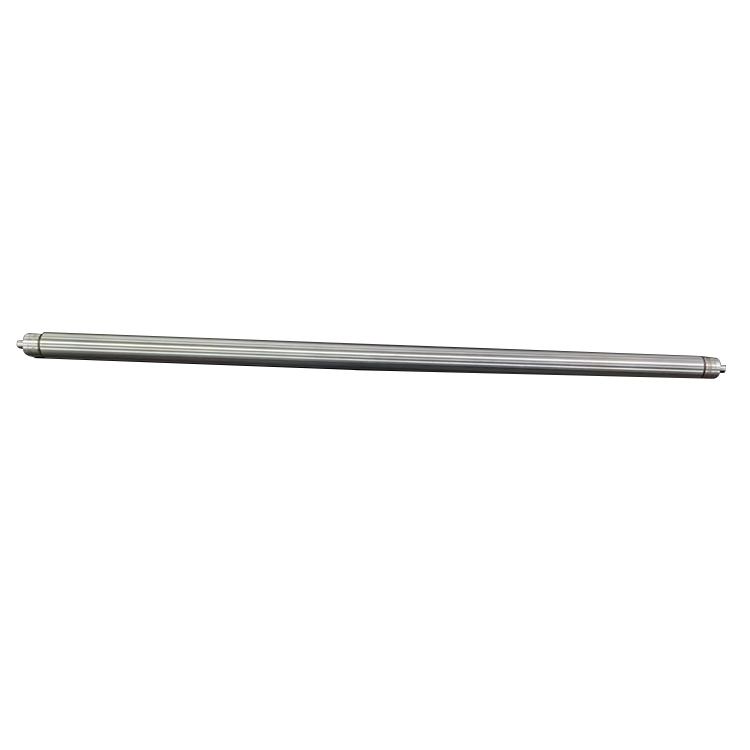
In contrast, cold rolling processes focus on precise thickness control and smooth surface molding. The equipment runs at higher speed with stable pressure, requiring the roller to have ultra-high surface hardness and uniform finish. In this scenario, a professional work roll with fine wear resistance can effectively reduce steel plate scratches and deformation defects.
Key Selection Principles for Durable Rolling mill rollers
1. Match Material Grade with Rolling Process
Material composition determines the core durability of rolling rollers. Cold rolling rollers usually adopt high-carbon chromium steel, which features high hardness and stable wear resistance at room temperature, perfectly meeting the precision rolling requirements of thin steel plates and strips. Hot rolling rollers mostly use high-speed steel or alloy cast steel, which maintains stable mechanical performance under high-temperature baking and frequent thermal shock, not easy to deform or crack.
2. Prioritize Thermal Fatigue Resistance for Hot Rolling
Hot rolling rollers repeatedly contact high-temperature steel blanks and cooling water during operation, forming rapid heating and cooling cycles. Poor thermal fatigue resistance will lead to network cracks on the roller surface, which will gradually expand and cause peeling failure. When selecting hot rolling accessories, focus on the thermal stability data provided by the manufacturer to ensure long-term continuous production adaptability.
3. Check Surface Machining Precision and Hardness Uniformity
Uneven surface hardness will cause partial excessive wear, resulting in unflat finished steel thickness. High-quality rollers undergo integral quenching and fine grinding treatment, with consistent hardness across the entire working surface. This precision not only extends roller life but also greatly improves the yield rate of finished steel products.
4. Verify Manufacturer’s Heat Treatment Process
The same material will show completely different durability with different heat treatment processes. Regular manufacturers adopt secondary tempering and deep quenching processes to eliminate internal stress, effectively avoiding roller breakage during high-load operation. Small factories with simple processing technology often have residual internal stress, leading to sudden roller fracture after short-term use.
Common Selection Mistakes to Avoid
Many procurement and engineering teams blindly pursue high hardness while ignoring process adaptability. Overly hard rollers lack toughness and are prone to brittle fracture in hot rolling environments. Others only focus on low cost and choose unqualified cast rollers, which bring frequent shutdown maintenance and hidden safety hazards.
In addition, ignoring daily matching maintenance also shortens roller service life. Reasonable cooling system configuration, regular surface detection and timely polishing can maximize the performance advantages of high-quality rollers.
Frequently Asked Questions (FAQ)
1. Can the same roller be used for both hot rolling and cold rolling?
It is not recommended. Hot and cold rolling have huge differences in temperature, load and friction conditions. Universal rollers cannot adapt to extreme high-temperature impact or high-precision cold rolling requirements, resulting in rapid failure and increased production costs.
2. What is the main cause of work roll surface cracking?
Surface cracks are mainly caused by unqualified heat treatment, poor thermal fatigue resistance, and frequent rapid temperature changes. Improper cooling operation and overload rolling will also accelerate crack expansion.
3. How to judge the quality of rolling rollers before purchase?
You can check surface roughness uniformity, hardness test reports, material component certificates and heat treatment process parameters. Complete factory detection data is the most intuitive basis for judging roller quality.
4. How long is the service life difference between hot and cold rolling rollers?
Under standard working conditions, cold rolling rollers have a longer service life due to stable working environments. Hot rolling rollers bear alternating thermal stress, so their service life is relatively shorter and requires more frequent maintenance and inspection.
 Contact person:Mr.Wu
 Phone:+86 18602539156
 Email:wuqi231138@126.com
This website uses cookies to ensure you get the best experience on our website.
 Español
 Pусский
 Indonesia
 Tiếng Việt


Comment
(0)