

In the fast-evolving metal processing industry, precision and efficiency are the cornerstones of competitive advantage. As manufacturers across steel, aluminum, and non-ferrous metal sectors strive for higher product quality and lower operational costs in 2026, the role of core straightening components has become increasingly critical. A straightening Roller box stands out as an indispensable part of modern straightening machines, engineered to house and secure straightening rollers, ensuring stable operation and consistent precision in correcting metal deformation.
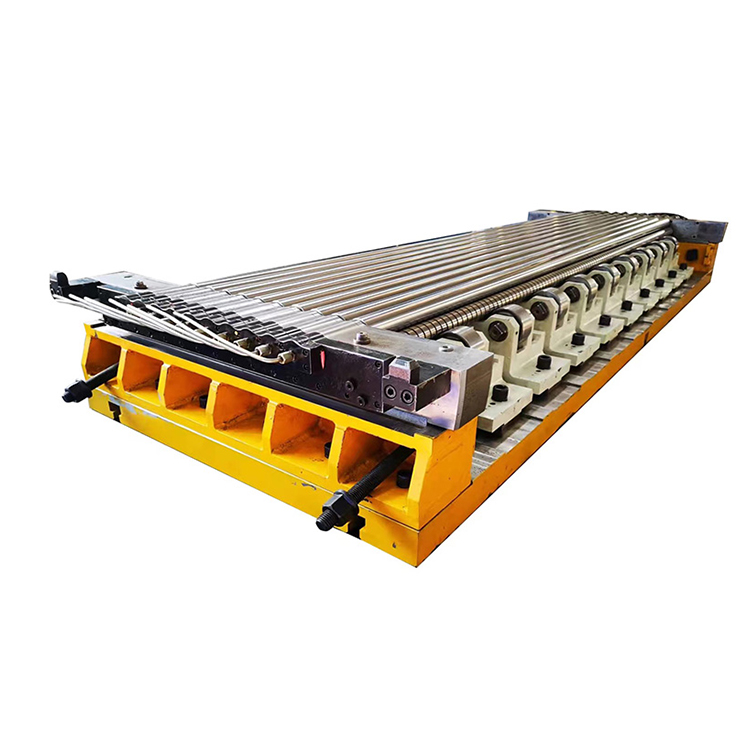
Metal materials such as sheets, bars, and profiles often develop bending, warping, or waviness during rolling, cooling, or transportation, which can compromise subsequent processing and final product quality. This specialized component integrates seamlessly with straightening equipment, providing a rigid, stable framework that allows Rollers to apply uniform pressure and guidance—key to achieving smooth, defect-free metal surfaces. Unlike generic roller housings, it is designed to withstand heavy loads, high temperatures, and metal debris, making it ideal for harsh industrial environments.
Key Strategies to Optimize Metal Straightening Performance in 2026
To maximize the performance of your straightening equipment and ensure consistent product quality, proper selection, maintenance, and optimization of core components are essential. These actionable tips will help you reduce downtime, enhance precision, and lower operational costs, aligning with the industry’s shift toward high-efficiency, high-precision production.

1. Prioritize High-Quality Materials and Precision Manufacturing
The durability and performance of straightening components depend heavily on their material composition and manufacturing standards. Opt for roller boxes crafted from high-grade alloy steel or heat-resistant materials, which offer superior wear resistance and structural stability under extreme working conditions—including high temperatures and heavy rolling loads. Precision machining ensures tight dimensional tolerances, preventing roller misalignment and ensuring uniform pressure distribution during the straightening process.
Advanced manufacturing processes such as forging and heat treatment further enhance the component’s toughness, reducing the risk of deformation or cracking. This not only extends the service life of the roller box but also minimizes the need for frequent replacements, cutting long-term operational costs.
2. Implement Proactive Maintenance and Cleaning
Straightening components operate in harsh environments where metal debris, oxide scale, and oil residue can accumulate over time, leading to wear, jamming, or reduced precision. Establish a regular maintenance schedule to inspect for signs of wear, such as loose fasteners, uneven roller movement, or surface scratches. Use compressed air and soft brushes to remove debris from the roller box interior, preventing scratches on roller surfaces and ensuring smooth operation.
Proper lubrication is also critical. Use high-temperature, anti-corrosive lubricants to reduce friction between moving parts, preventing premature wear and ensuring consistent roller rotation. Regularly check lubricant levels and replace fluids according to manufacturer recommendations to avoid contamination and component damage.

3. Match Components to Specific Straightening Needs
Not all straightening equipment is designed for the same applications—selecting the right Straightening Roller box for your specific metal type and processing requirements is key to maximizing efficiency. Consider factors such as the thickness and hardness of the metal being straightened, operating speed, and desired precision. For example, heavy-duty steel plate straightening requires a robust, high-load roller box, while precision thin-sheet straightening demands a compact, high-precision design to avoid surface damage.
Working with a trusted supplier to customize the roller box to your equipment and production needs can further optimize performance, ensuring seamless integration and reducing the risk of compatibility issues.
4. Embrace Smart Monitoring and Technological Advancements
The metal processing industry is increasingly adopting smart technologies to enhance efficiency and reduce downtime. Look for straightening roller boxes integrated with sensors that monitor roller alignment, temperature, and wear in real time—enabling predictive maintenance and early detection of potential issues. This proactive approach helps prevent unexpected breakdowns and ensures consistent straightening precision.
Additionally, advancements in composite materials and modular designs are revolutionizing component performance. Modular roller boxes allow for quick roller replacement and maintenance, reducing downtime and improving operational flexibility. These innovations not only enhance efficiency but also align with the industry’s focus on sustainability and cost reduction.
Why Straightening Components Matter in 2026?
As metal processing manufacturers face growing pressure to improve product quality and reduce costs, the role of high-quality straightening components becomes more critical than ever. A well-selected and properly maintained straightening roller box can help you achieve consistent precision, reducescrap rates, and extend the service life of your straightening equipment—key factors for success in a competitive market.
By following these strategies, you can ensure your straightening equipment operates at peak performance, meeting the demands of 2026 and beyond. From material selection to smart monitoring, every step plays a vital role in maximizing the value of your straightening components and driving long-term business success.
 Contact person:Mr.Wu
 Phone:+86 18602539156
 Email:wuqi231138@126.com
This website uses cookies to ensure you get the best experience on our website.
 Español
 Pусский
 Indonesia
 Tiếng Việt


Comment
(0)