

If you are an industrial parts distributor or metal processing equipment buyer, you already know how much Roller quality affects production stability. Many unexpected shutdowns and maintenance costs come from low-grade, unstable industrial rollers. Keeping up with the latest industry trends and learning how to screen qualified manufacturers can help you avoid supply risks in 2026. Choosing a well-produced straightening roller allows your end customers to run longer, more stable production cycles with fewer failures.
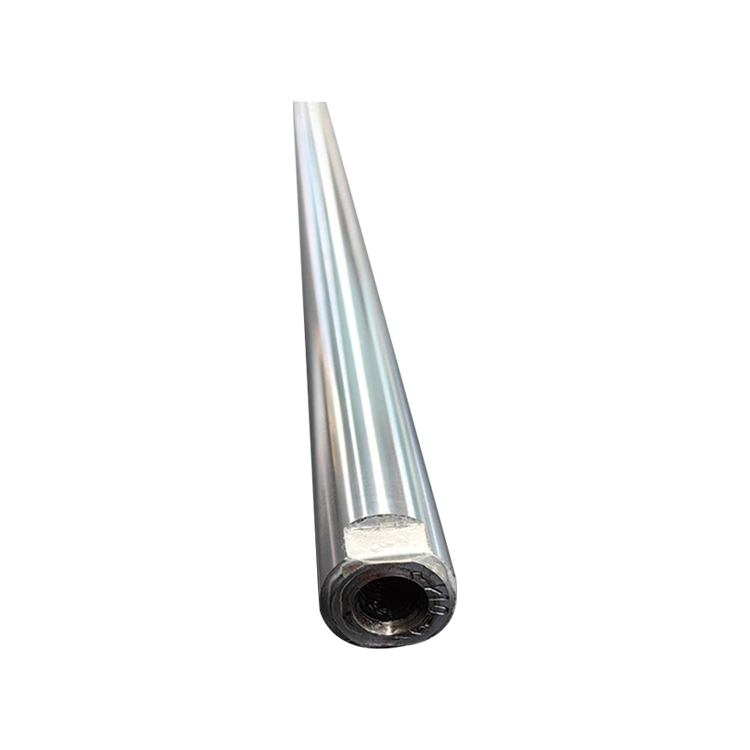
2026 Market Trends & Reliable Supplier Selection Guide for Industrial Rollers
1. Dominant Industrial Market Trends in 2026
The global metal fabrication and steel processing industry continues to recover and expand in 2026. As downstream factories upgrade automated production lines, the overall demand for high-precision mechanical accessories has grown steadily. Traditional industrial rollers that only meet basic operating standards are gradually being phased out, while high-precision, wear-resistant and long-life models have become mainstream purchasing choices.
At present, two directions dominate the industry upgrade: stable continuous operation and customized adaptation. Modern processing factories pursue fewer replacements and lower downtime losses, which raises higher requirements for roller surface hardness, straightness accuracy and overall deformation resistance. Meanwhile, non-standard customization requests are increasing rapidly, as more production lines require exclusive sizes and surface treatments to match special processing technologies.
2. Core Standards for Screening Reliable Industrial Roller Suppliers
2.1 Complete production equipment and Process Scale
Stable product quality always relies on standardized production scale and complete processing equipment. Formal manufacturers are equipped with precision lathes, professional heat treatment equipment and automatic polishing devices, which ensure consistent precision for each batch of products. Small-scale workshops with simplified equipment often cause uneven tolerance, poor surface flatness and easy deformation during long-term operation.
For bulk distributors, production capacity and equipment maturity are the most basic indicators to judge long-term cooperation value. Manufacturers with stable daily output and standardized workflows can effectively avoid delayed delivery and batch quality fluctuations.
2.2 Raw Material Grade and Heat Treatment Technology
The service life and stability of industrial rollers depend heavily on raw material quality and heat treatment precision. High-quality steel materials with strict quenching and tempering processes can maintain stable hardness and toughness under high-load, long-hour working conditions. In contrast, inferior raw materials and simplified heat treatment will lead to rapid surface wear, bending deformation and frequent equipment adjustment.
Excellent suppliers always provide complete material test reports and hardness inspection data for each batch, which is an important reference for buyers to verify product reliability.
2.3 Batch Consistency and Complete Quality Inspection System
Sample quality cannot represent mass production quality. Many manufacturers provide perfect samples but fail to maintain stable standards in large-scale production. Professional suppliers implement full-process inspection, including raw material incoming inspection, semi-finished product testing and finished product dimensional calibration.
Unified inspection standards ensure every roller has the same straightness, surface finish and assembly tolerance. This kind of batch consistency is exactly what large distributors need for stable long-term supply.
2.4 Delivery Efficiency and Technical After-sales Support
In industrial bulk procurement, timely delivery is as important as product quality. Stable inventory management and mature logistics scheduling help buyers avoid production stagnation caused by delayed orders. In addition, professional technical support greatly improves customer satisfaction. Reliable suppliers can provide installation guidance, parameter matching suggestions and after-sales problem solving services for different production scenarios.
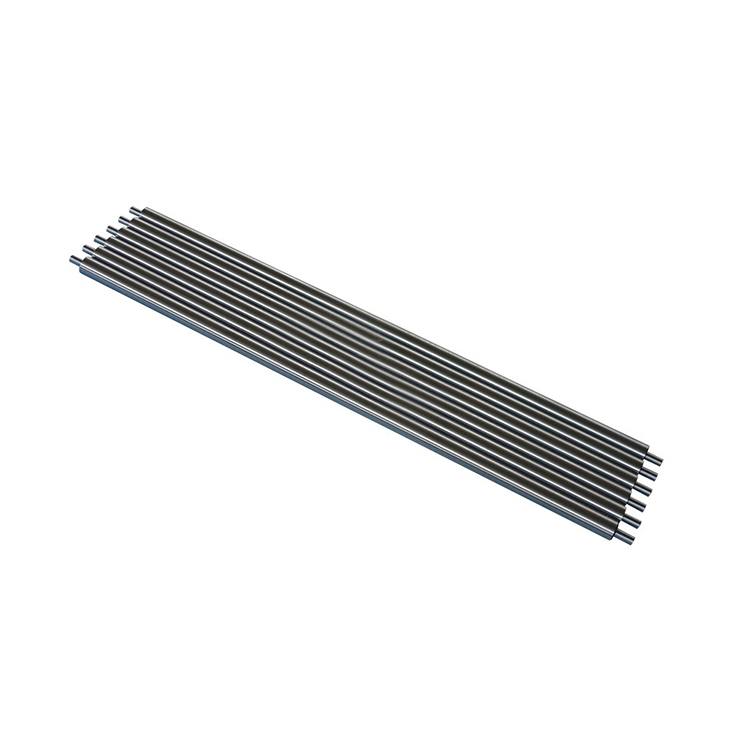
3. Typical Bulk Procurement Mistakes to Avoid
Many industrial buyers focus excessively on unit price during procurement. Although low-cost products reduce short-term expenditure, they usually come with hidden problems such as short service life, unstable precision and high failure rate. In actual production, frequent replacement and equipment debugging will generate higher comprehensive costs.
Another common mistake is ignoring parameter matching. Different straightening machines and production lines require corresponding roller straightness, hardness and size standards. Blind purchasing without parameter verification will cause assembly failure and poor processing performance, affecting end product quality.
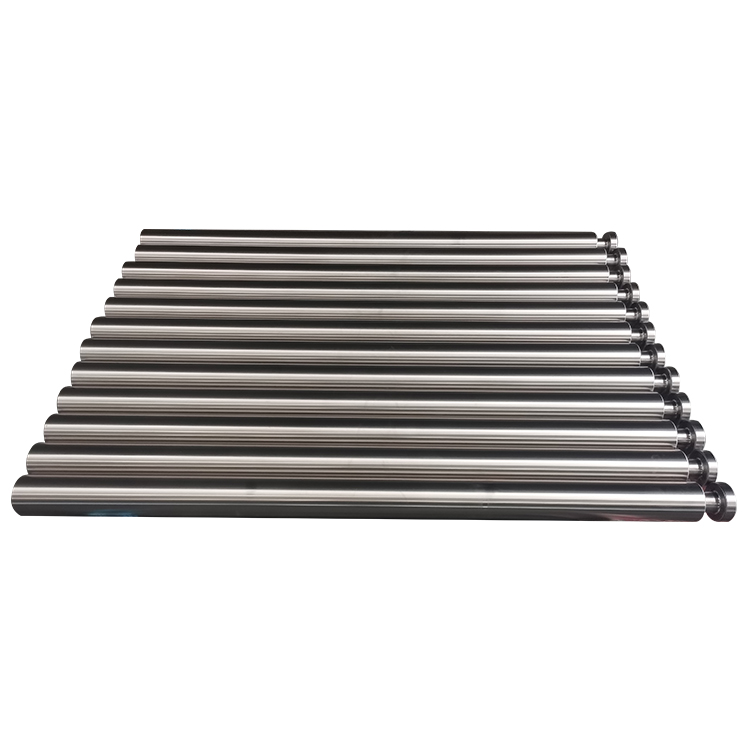
4. Frequently Asked Questions for Industrial Buyers
Q1: What core performance determines industrial roller service life?
The service life mainly depends on material grade, heat treatment hardness and straightness precision. Reasonable hardness matching improves wear resistance, while qualified straightness ensures stable operation without bending deformation under long-term load.
Q2: Why is batch consistency so important for bulk orders?
Unstable batch quality will lead to different installation effects and processing accuracy for each equipment. Uniform production standards ensure every product can maintain consistent operating performance, reducing after-sales adjustment and replacement costs for distributors.
Q3: Should buyers choose standard models or customized rollers?
Standard rollers are suitable for mainstream general straightening equipment. For special production lines, non-standard sizes or special processing requirements, customized rollers can better match the production process and improve overall processing accuracy.
Q4: How to quickly judge a supplier’s comprehensive strength?
Buyers can verify production equipment, batch inspection reports, past customized cases and stable delivery records. Mature manufacturers have complete technical documents and standardized quality control systems to support long-term bulk cooperation.
Overall, understanding the 2026 industry trends and mastering scientific supplier selection methods is essential for industrial parts distributors. Focusing on production strength, material technology, quality control and after-sales service helps filter high-quality industrial accessories. A well-selected Straightening Roller can effectively stabilize production efficiency, reduce maintenance costs and create long-term value for both distributors and end manufacturers.
 Contact person:Mr.Wu
 Phone:+86 18602539156
 Email:wuqi231138@126.com
This website uses cookies to ensure you get the best experience on our website.
 Español
 Pусский
 Indonesia
 Tiếng Việt


Comment
(0)