

Why Your Metal Production Line Can’t Afford to Overlook straightening roller Quality?
For B2B metal processors, precision isn’t just industry jargon—it’s the reason clients stick with you and rejections stay off your production floor. Every day, factories worldwide grapple with bent sheets, warped tubes, and uneven profiles that throw schedules off track and eat into profits.
The fix often hides in a component most teams overlook: the Straightening Roller. This workhorse is the backbone of any straightener, using controlled pressure to correct metal deformation without scratching surfaces or weakening material strength.
A common frustration we hear? “Our straightening Rollers wear out too fast, forcing unplanned downtime.” Take a mid-sized steel fabricator in Ohio—they were swapping rollers every 6 weeks until they upgraded to alloy-grade options.
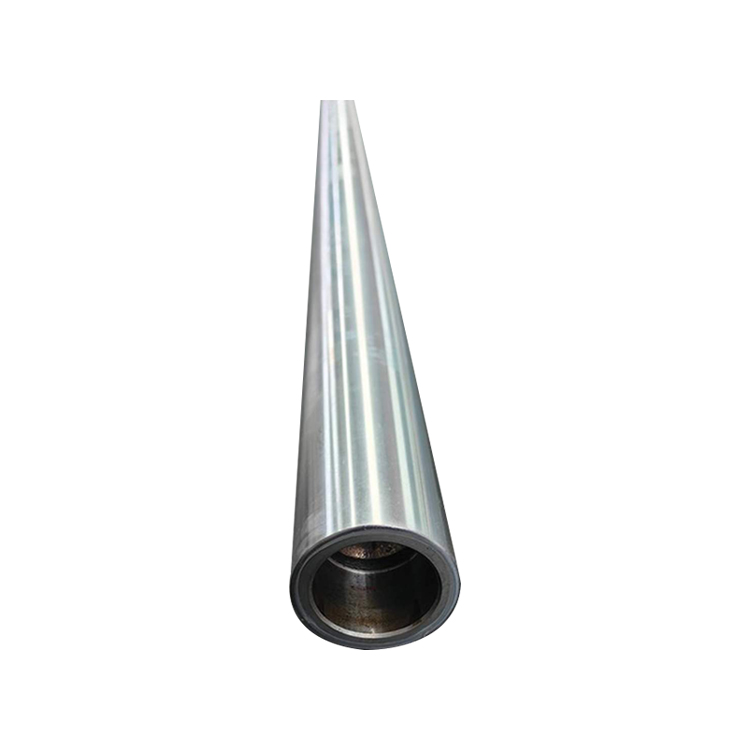
How Straightening rollers Work: It’s More Than Just Compression
A straightening roller’s job sounds simple, but precision is key. It creates controlled plastic deformation in metal—bending and rebending it until the material sits perfectly flat or straight.
Most systems use staggered upper and lower roller sets to apply pressure exactly where it’s needed. Thin materials (0.1-3mm) need 15-25 small-diameter rollers in a sheet metal straightener. Thick steel plates? They call for 7-9 larger rollers, typically 100-200mm in diameter.
Balance matters. Too much pressure scratches surfaces or thins material. Too little? Deformation stays unaddressed. That’s why roller material and design make all the difference.
Key Considerations for Choosing the Right Straightening Roller
Material Selection: Match the Roller to Your Metal
Not all straightening rollers are identical. For stainless steel or high-hardness alloys, Cr12MoV rollers—hardened to HRC 58-62—hold up best against wear. For aluminum or other soft metals, 9Cr2Mo hits the sweet spot: durable enough to last, affordable enough to scale with production.
We see one mistake repeatedly: using generic carbon steel rollers for stainless steel. The result? Rapid wear, roller warping, and scratched metal—costing thousands in rework and wasted material.

Design Features: Tailor to Your Application
Roller design depends on the material you’re processing. Cylindrical rollers work best for flat sheets. Conical or V-groove rollers? They’re ideal for tubes and bars.
Some sheet rollers even have spiral grooves to clear metal debris—no more scratches from trapped particles. And precision straightening roller for thin sheet metal is non-negotiable for automotive shops, where a 0.05mm deviation ruins a car panel’s fit.
Industry Insider Tips: Avoid Costly Straightening Roller Mistakes
We’ve spent 15+ years in this industry, and we’ve watched factories waste time and money on avoidable errors. Here are two tips that’ll save you both:
Skip pre-installation inspection at your own risk. A roller with just 0.03mm of coaxiality error applies uneven pressure, leaving you with wavy sheets. Grab a dial indicator, check alignment before mounting—it takes 5 minutes and prevents hours of rework.
Don’t over-lubricate. Excess lube attracts metal dust, which grinds against the roller surface and speeds up wear. Stick to the manufacturer’s guidelines—usually 2-3 drops per bearing every 200 operating hours.
Common Pain Points and Practical Solutions
Problem: Roller marks on finished products. Solution: Upgrade to rollers with Ra 0.4μm surface roughness. Nail gap adjustment too—start with 10-15% of your material’s thickness as a baseline.
Problem: Frequent roller replacement. Solution: Opt for chrome-plated or nitrided rollers—these double or triple lifespan. That’s where wear-resistant straightening roller for steel processing shines; it’s built for high-volume, heavy-use operations.
Problem: Inconsistent straightening results. Solution: Calibrate roller pressure weekly, especially when switching material types. Use a straightness gauge to check results—aim for ≤0.1mm/m error for most jobs.
FAQs: Straightening Roller Basics for B2B Buyers
1. How often should I replace straightening rollers? It depends on usage, but alloy rollers last 3-6 months in high-volume operations. Carbon steel? Expect 4-6 weeks.
2. Can I use one roller for different metal types? No. Soft metals like aluminum need softer rollers to avoid damage; hard metals require high-hardness alloys.
3. What causes roller wear? The top three culprits: metal debris, improper lubrication, and overloading the straightener beyond its capacity.
4. How do I adjust the straightening roller gap? Start with a gap 10-15% thicker than your material. Test, tweak, and repeat—too narrow damages material; too wide leaves deformation.
5. Are custom straightening rollers available? Absolutely. Most trusted suppliers offer custom designs for odd-sized materials or unique processing needs.
6. What’s the difference between hot and cold straightening rollers? Hot rollers resist high temperatures (for hot-processed materials); cold rollers prioritize precision and surface finish.
7. How do I prevent roller corrosion? Use stainless steel or coated rollers in humid environments. Wipe down rollers after each shift to remove moisture—it’s simple but effective.
Conclusion: Invest in Quality Straightening Rollers to Boost Efficiency
A high-quality straightening roller isn’t an expense—it’s an investment. It cuts downtime, slashes rejections, and keeps clients happy. The secret? Match the roller’s material and design to your specific job, avoid common mistakes, and stick to regular maintenance.
Here’s your next move: Audit your current rollers for wear or misalignment. If you’re swapping them often, test a small batch of alloy rollers. Train your team on proper gap adjustment and lubrication. Focus on this unsung component, and you’ll see better efficiency and quality fast.
 Contact person:Mr.Wu
 Phone:+86 18602539156
 Email:wuqi231138@126.com
This website uses cookies to ensure you get the best experience on our website.
 Español
 Pусский
 Indonesia
 Tiếng Việt


Comment
(0)