

In modern metal processing operations, achieving precise flatness and structural integrity of metal sheets, strips, or bars is critical to ensuring product quality and subsequent processing efficiency. For manufacturers and processors seeking reliable solutions to eliminate material deformations, selecting the right equipment component is a decision that directly impacts production outcomes and long-term cost-effectiveness. A well-designed pulling straightening roller plays a pivotal role in this process, as it effectively corrects shape defects such as waves, warping, or bending while optimizing the surface quality of the processed material.
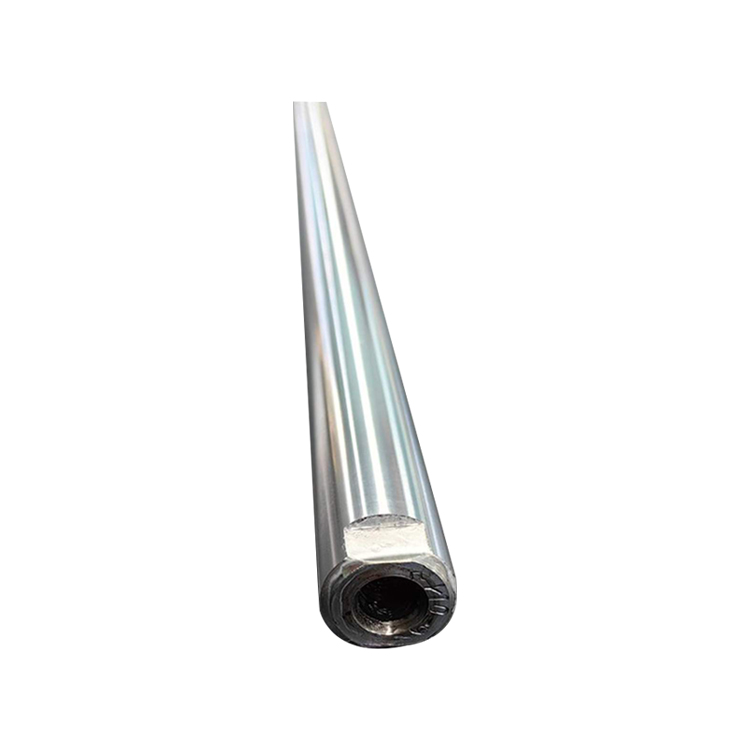
When evaluating options for your metal processing line, several key factors should guide your purchasing decision to ensure you invest in a component that meets your specific operational needs. First and foremost, material compatibility is essential. Different metals—from mild steel and stainless steel to high-tensile alloys—have varying hardness and surface requirements. The component you choose should be crafted from wear-resistant materials, such as heat-treated steel or carbide, to withstand the friction and pressure exerted during the straightening process, especially when handling abrasive or high-strength metals.
Another critical consideration is the design and specifications of the component. The diameter and surface finish directly influence its performance: larger diameters are better suited for thicker, stiffer materials, while a smooth, polished surface prevents scratches on high-quality metal products, which is vital for applications like automotive panels or architectural decorative sheets. Additionally, the arrangement and quantity of Rollers in the system affect straightening precision—multi-roll configurations offer more gradual and accurate correction, making them ideal for demanding applications that require tight tolerances.
Durability and maintenance requirements also play a key role in the purchasing decision. A high-quality component should be resistant to high temperatures, corrosion, and wear, as it often operates in harsh industrial environments. Components with enhanced surface treatments, such as thermal barrier coatings, can extend service life by reducing surface cracking and exfoliation, minimizing downtime and replacement costs. Moreover, choosing a design that allows for easy inspection and maintenance can further improve operational efficiency and reduce long-term expenses.

Beyond performance and durability, it’s important to consider how the component integrates with your existing processing line. Compatibility with your current machinery, including feed rates and processing capacity, ensures seamless operation and avoids costly modifications. Additionally, prioritizing components that offer consistent performance helps reduce scrap rates and rework, translating to higher productivity and profitability over time.
In summary, selecting the right pulling Straightening Roller requires a thoughtful evaluation of material compatibility, design specifications, durability, and integration with your production system. By focusing on these key factors, you can invest in a component that not only corrects material deformations effectively but also enhances the overall efficiency and quality of your metal processing operations. Making an informed decision today will help you avoid unnecessary costs and ensure long-term operational success.
 Contact person:Mr.Wu
 Phone:+86 18602539156
 Email:wuqi231138@126.com
This website uses cookies to ensure you get the best experience on our website.
 Español
 Pусский
 Indonesia
 Tiếng Việt


Comment
(0)