

Metal rolling forms the foundation of modern metal manufacturing, turning bulky metal slabs and ingots into usable sheets, plates, strips and custom profiles. Every functional rolling mill relies on one key component to deliver consistent results: the work roll. Many factory operators and procurement teams underestimate how much their output quality and operational efficiency hinges on this simple yet critical part. In 2026, as metal fabrication shifts toward tighter precision standards, faster line speeds and fewer production defects, learning the basic functions and real-world applications of a work roll has become essential for mill upgrades and daily operational tuning.
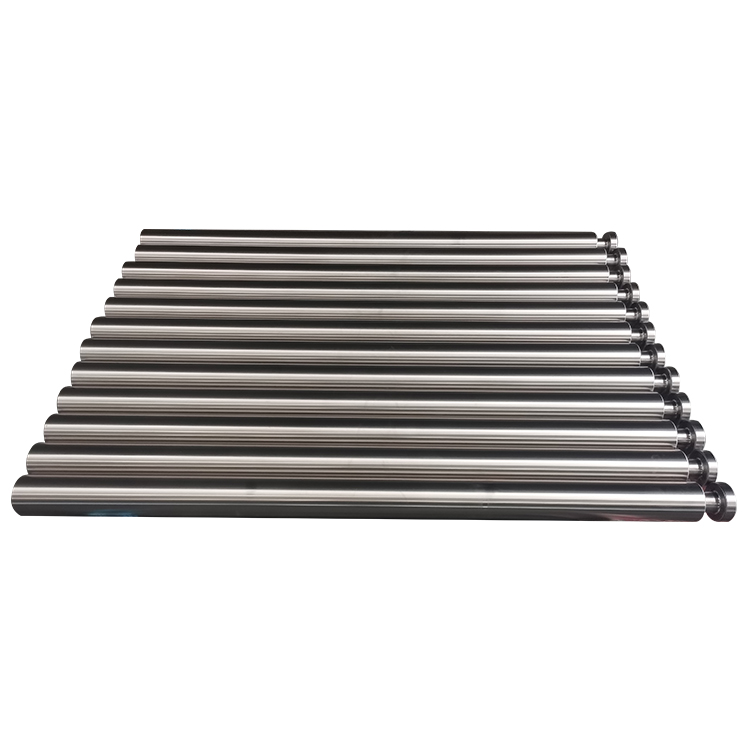
In this article, we break down what a work roll is, how it works, what benefits it brings, and which industries rely on it the most. Written in plain industry language and backed by practical manufacturing experience, this guide offers reliable insights for factory managers, maintenance staff and industrial buyers researching rolling mill equipment in 2026.
What Is a Work Roll?
A work roll is a heavy-duty industrial Roller installed inside rolling mills, designed to make direct contact with metal during the rolling process. Unlike Backup Rolls, which only provide structural support, the work roll handles the actual pressing and shaping of raw metal. It deforms raw materials to achieve targeted thickness, flatness and surface finish for finished metal products. Built from high-hardness alloy steel and treated with professional quenching and tempering processes, this component delivers strong wear resistance, heat resistance and pressure tolerance, holding up well under long-duration, high-load mill operation.
Work rolls always run in paired sets. As raw metal passes through the gap between two rotating work rolls, steady mechanical pressure reshapes the material, thinning its thickness and expanding its surface area. This straightforward mechanical principle powers nearly all flat rolling, profile rolling and strip production lines used in today’s metal fabrication factories.

Core Functions of a Work Roll in Rolling Production
A rolling mill’s overall performance largely depends on how stable and precise its work roll remains during operation. Reliable, high-quality work rolls help factories keep product quality consistent, cut down on defective goods, and extend the service life of the entire rolling equipment. Below are the three most practical core functions that matter most for real production scenarios.
1. Precision Metal Shaping and Thickness Control
The primary job of any work roll is shaping metal and controlling material thickness. Whether producing thick structural steel plates, ultra-thin aluminum strips or custom copper profiles, work rolls apply even pressure to flatten uneven raw material and meet precise dimensional standards. Modern rolling lines count on the rigid, flat surface of qualified work rolls to keep thickness errors minimal, satisfying the strict quality demands of automotive parts, building materials and aerospace-grade metal components.
2. Improving Surface Quality of Finished Metal
Surface flaws such as scratches, dents and uneven gloss are common causes of product rejection in metal workshops. A finely finished work roll delivers clean, uniform metal surfaces after rolling, greatly reducing visible defects. Especially in cold rolling processes, the smooth precision of work rolls ensures finished steel sheets can go straight into subsequent coating, galvanizing and painting procedures, directly boosting the commercial value of final products.
3. Stabilizing High-Speed and High-Load Production
2026 manufacturing trends continue to push rolling mills toward faster speeds and longer continuous runtime. Premium work rolls resist thermal deformation and mechanical fatigue even under sustained high heat and heavy pressure. They maintain a stable shape throughout long production runs, preventing thickness deviation, plate warping and other quality issues caused by deformed rollers. This stability lets factories run high-output, low-fault rolling operations consistently.
Main Industry Uses of Work Rolls in 2026
From hot rolling and cold rolling to strip leveling and profile forming, the work roll serves as a foundational component across nearly all metal processing sectors. Its practical industry applications cover a wide range of manufacturing fields, as listed below.
1. Steel and Iron Manufacturing
Steel manufacturing remains the largest end use for work rolls. Hot rolling mills rely on these components to produce thick steel plates, structural steel and industrial strips, while cold rolling mills use them to process thin steel sheets for appliances, construction projects and mechanical equipment. Stable work roll performance drastically cuts down steel surface defects and improves overall production efficiency for large-scale steel plants.
2. Non-Ferrous Metal Processing
Aluminum, copper and brass fabrication requires extremely high surface precision, making tailored work rolls indispensable. Factories use high-polish work rolls to produce ultra-thin metal strips and decorative sheets for electronics, architectural decoration and new energy equipment. The smooth finish of these work rolls ensures non-ferrous metal products meet strict surface quality requirements with zero obvious blemishes.
3. Automotive and Home Appliance Material Production
Automotive exterior panels, internal structural parts and home appliance casings are mostly made from standardized cold-rolled steel processed by precision work rolls. These end products demand ultra-flat surfaces and uniform thickness. Reliable work rolls stabilize batch production quality and reduce extra correction work in post-processing, saving factories significant time and labor costs.
4. New Energy and High-Precision Sheet Manufacturing
The booming new energy industry in 2026 has also expanded the application scope of work rolls. These rollers are widely used to produce battery steel strips, photovoltaic aluminum panels and thermal dissipation metal parts. Low-deformation, high-precision work rolls easily meet the strict tolerance standards of new energy materials, supporting industry-wide manufacturing upgrades.
Key Advantages of High-Quality Work Rolls for Factories
Upgrading to premium work rolls creates clear, measurable benefits for metal processing enterprises. First, it reduces defective products caused by roller surface wear and deformation. Second, it extends replacement cycles, cutting maintenance downtime and spare part expenses. Third, consistent rolling precision improves product qualification rates and overall plant output. For manufacturers facing stricter quality competition in 2026, this simple upgrade delivers strong market competitiveness with relatively low investment.
Frequently Asked Questions (FAQs) About Work Rolls
Q1: What is the difference between a work roll and a backup roll?
A work roll is the on-site roller that directly touches and shapes metal, focusing on precision forming and surface finish quality. A backup roll sits behind the work roll purely for structural support, stopping the work roll from bending under heavy pressure. Simply put, work rolls decide final product quality, while backup rolls keep the entire mill stable during operation.
Q2: How long does a standard work roll last?
A work roll’s service life varies based on material grade, rolling speed and daily maintenance habits. High-alloy heat-treated work rolls typically handle several months of continuous production under normal operating conditions. Routine polishing, cooling system checks and regular maintenance can noticeably extend service life and keep rolling precision consistent long-term.
Q3: What causes work roll failure during production?
Most work roll failures come from surface wear, thermal cracking, roll deformation and edge chipping. These issues usually stem from overloading, insufficient cooling, poor raw material quality or long-term fatigue operation. Most production downtime related to roller failure can be avoided by choosing high-quality work rolls and sticking to standard maintenance routines.
Q4: Are work rolls used in both hot rolling and cold rolling mills?
Yes, work rolls are essential for both hot rolling and cold rolling mills. The two processes require different roller performance features: hot rolling work rolls prioritize high temperature resistance and pressure resistance, while cold rolling work rolls focus more on ultra-smooth surface finishes and precise dimensional control to guarantee flawless final metal surfaces.
As metal manufacturing continues advancing toward higher precision, higher efficiency and lower defect rates in 2026, the work roll remains one of the most vital components in any rolling mill system. It handles core tasks including metal shaping, thickness control and surface optimization, directly influencing final product quality, production stability and overall factory profitability.
For metal processing factories, investing in reliable work rolls and standardized daily maintenance is a low-cost, high-yield optimization strategy. It effectively cuts unplanned downtime, reduces defective rates, and supports stable, long-term efficient production amid increasingly competitive industrial markets.
 Contact person:Mr.Wu
 Phone:+86 18602539156
 Email:wuqi231138@126.com
This website uses cookies to ensure you get the best experience on our website.
 Español
 Pусский
 Indonesia
 Tiếng Việt


Comment
(0)