

In 2026, the global steel industry is prioritizing efficiency, quality, and sustainability more than ever. Modern steel mills are upgrading equipment to meet stricter production standards, cut operational costs, and minimize downtime. Among the critical components powering these facilities, the metallurgical Roller stands out as indispensable. This unassuming yet high-performance component has evolved from a simple conveying tool to the backbone of steel production, playing a vital role in every manufacturing stage—from continuous casting to hot rolling and finishing.
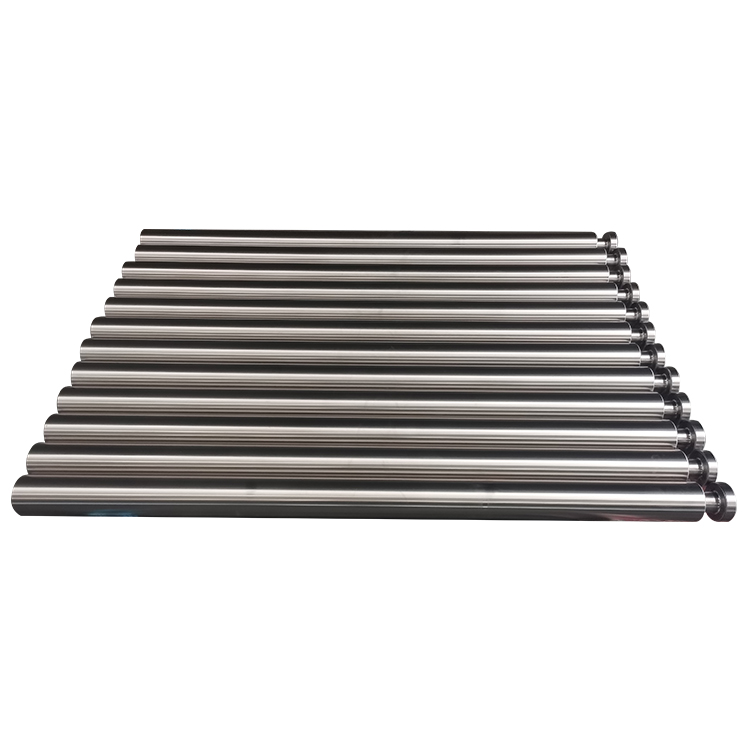
What Is a Metallurgical Roller, and How Is It Different?
First, let’s clarify what a metallurgical roller is. Unlike standard industrial rollers, a metallurgical roller is a precision-engineered component designed specifically for the harsh conditions of steel mills. Made from high-grade heat-resistant and wear-resistant alloys, it withstands extreme temperatures (up to 1250°C), heavy mechanical loads, and corrosive environments inside industrial furnaces and rolling lines—critical for reliable steel production.
In 2026, modern metallurgical rollers are more than just “conveying tools”—they integrate seamlessly into production processes to ensure stability, precision, and efficiency. Unlike traditional rollers that wear out quickly or deform under high heat, today’s metallurgical rollers are built to last, using advanced casting and forging techniques to enhance durability and performance for long-term reliability.
Key Reasons the Metallurgical Roller Is a Core Part in 2026 Steel Mills
The rise of the metallurgical roller as a core component is driven by the evolving needs of modern steel mills. Below are the most critical reasons this component has become indispensable for 2026 steel production.
1. It Enables Continuous, Uninterrupted Production
Unplanned downtime is a costly nightmare for steel mills, wasting time, money, and productivity. A typical integrated steel plant uses over 2,000 individual rollers across its production lines, and replacing worn-out rollers can cost millions of dollars annually. The metallurgical roller solves this challenge with exceptional durability, wear resistance, and high-temperature tolerance—key for uninterrupted operations.
Unlike ordinary rollers that require frequent replacement (often every few weeks), a high-quality metallurgical roller lasts 3 to 5 times longer, reducing unplanned shutdowns. This continuity is critical for modern steel mills, which rely on 24/7 operation to meet global demand for steel used in infrastructure, automotive manufacturing, and industrial applications.
2. It Ensures Consistent Steel Quality
In 2026, steel mills face stricter quality standards for their products. Even minor defects—such as scratches, indentations, or uneven thickness—reduce steel value or render it unsuitable for high-end applications. The metallurgical roller plays a key role in maintaining consistent quality throughout the entire production process.
With a smooth, heat-stable surface, the metallurgical roller prevents nodulation, oxidation, and surface wear that can damage steel. It ensures even contact with steel billets, strips, and coils, reducing defects and improving the surface finish of final products. For example, in hot rolling lines, metallurgical rollers maintain precise thickness and shape, ensuring steel meets automotive or construction specifications.
3. It Adapts to Harsh Steel Mill Environments
Steel production involves extreme conditions: high temperatures, heavy loads, corrosive gases, and constant friction. Ordinary rollers fail quickly in these environments, leading to frequent replacements and maintenance. The metallurgical roller is engineered to thrive in these harsh settings, thanks to its advanced material composition and optimized design.
Modern metallurgical rollers are crafted from heat-resistant and wear-resistant alloys—such as high-chromium steel, nickel-chromium steel, or carbide—offering excellent heat resistance, wear resistance, and corrosion resistance. They withstand temperatures up to 1250°C in furnaces and heavy loads in rolling lines, making them ideal for the most demanding steel production stages: continuous casting, hot rolling, and heat treatment.
4. It Reduces Long-Term Operational Costs
While the initial cost of a metallurgical roller is higher than ordinary rollers, it delivers significant long-term savings. The global market for rolling mill rolls (a key category of metallurgical rollers) grows at a 6.8% CAGR from 2026 to 2033, driven by demand for high-performance components that cut operational costs and support steel mill modernization. QYResearch data shows the global metallurgical roller market reached ~$3.74 billion in 2025 and is projected to hit $5.11 billion by 2032 (4.6% CAGR), reflecting its critical role. By lasting longer and requiring less maintenance, metallurgical rollers reduce replacement costs, maintenance labor, and downtime losses.
Many steel mills report a 15-30% reduction in roller-related expenses after switching to high-quality metallurgical rollers. This cost savings is critical in 2026, as steel mills face rising energy and raw material costs—making efficiency and cost control top priorities for profitability.
5. It Supports Smart and Sustainable Steel Production
2026 is a transformative year for the steel industry, with a sharp focus on smart manufacturing and sustainability. The metallurgical roller has evolved to support these goals, with modern designs that integrate smart monitoring systems and reduce energy consumption—key for SEO and industry relevance.
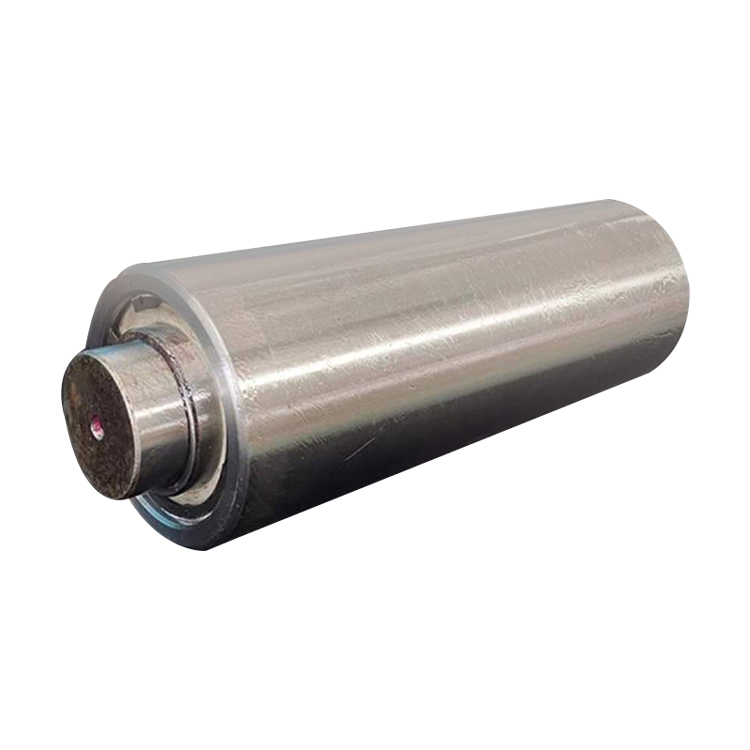
Many metallurgical rollers now include sensors that track temperature, wear, and performance, allowing plant managers to predict maintenance needs and avoid unplanned downtime. Their efficient design also reduces friction, lowering energy consumption in rolling lines. This aligns with the industry’s push for carbon neutrality and sustainable production— a key market growth driver, per recent industry reports. China leads as the world’s largest metallurgical roller exporter (30% of global exports), followed by Germany (10%), highlighting global demand for high-quality metallurgical components. This solidifies the metallurgical roller as a key component in green steel manufacturing.
Critical Applications of Metallurgical Rollers in 2026 Steel Mills
To fully understand the metallurgical roller’s importance, let’s explore its key applications in 2026 steel mills. These rollers are used in nearly every production stage, proving their versatility and necessity for efficient, high-quality steel manufacturing:
- Continuous Casting Lines: Metallurgical rollers convey hot steel billets (up to 1200°C) from the caster to the rolling mill, ensuring stable transport without deformation or damage—critical for consistent production.
- Hot Rolling Mills: They support and shape steel strips during hot rolling, withstanding high temperatures and heavy loads to maintain precise thickness and shape—key for meeting quality standards.
- Heat Treatment Furnaces: Heat-resistant metallurgical rollers transport steel through annealing, galvanizing, and other heat treatment processes, ensuring uniform heating and cooling for consistent product quality.
- Finishing Lines: They ensure smooth, scratch-free transport of finished steel products, preserving quality before packaging and shipping—essential for customer satisfaction and product value.
Frequently Asked Questions (FAQs) About Metallurgical Rollers
Q1: What is the typical service life of a metallurgical roller?
A: Service life depends on application and material, but high-quality metallurgical rollers typically last 3 to 5 times longer than ordinary rollers. In hot rolling lines, they can operate up to 100,000 hours, while in less harsh environments, their service life extends even further—reducing replacement costs.
Q2: What materials are used to make metallurgical rollers?
A: Most metallurgical rollers are made from heat-resistant and wear-resistant alloys, such as high-chromium steel, nickel-chromium steel, cast steel, or forged steel. For extreme high-temperature applications, carbide or ceramic-coated metallurgical rollers are used to enhance durability and performance.
Q3: How does a metallurgical roller improve steel mill efficiency?
A: The metallurgical roller improves steel mill efficiency by reducing downtime (fewer replacements and maintenance), ensuring consistent production (no interruptions from roller failures), and lowering energy consumption (less friction). This allows mills to produce more steel in less time, with lower operational costs.
Q4: Is a metallurgical roller suitable for all steel mill processes?
A: Yes, metallurgical rollers are designed to adapt to all key steel mill processes, including continuous casting, hot rolling, cold rolling, and heat treatment. They can be customized to meet the specific temperature, load, and quality requirements of each production stage.
Q5: What maintenance is required for metallurgical rollers?
A: Metallurgical rollers require minimal maintenance compared to ordinary rollers. Routine checks (inspecting for wear, cracks, or surface damage) and occasional lubrication are usually sufficient. Smart monitoring systems further reduce downtime by predicting maintenance needs proactively.
In 2026, the metallurgical roller is more than just a component—it’s a core investment for modern steel mills. Market projections confirm strong growth: the global mill rolls market (including metallurgical rollers) is estimated at $1.22 billion in 2026 and expected to reach $1.54 billion by 2035 (7.92% CAGR). Its ability to enable continuous production, ensure consistent quality, adapt to harsh environments, reduce costs, and support smart, sustainable manufacturing makes it indispensable. Demand is further fueled by infrastructure stimulus and automotive lightweighting initiatives—solidifying its role as a core steel mill component.
As the steel industry evolves, the metallurgical roller will play an even more critical role in helping mills meet changing market demands. For steel mills aiming to stay competitive in 2026 and beyond, investing in high-quality metallurgical rollers is not just a choice—it’s a necessity to achieve efficiency, quality, and long-term profitability.
 Contact person:Mr.Wu
 Phone:+86 18602539156
 Email:wuqi231138@126.com
This website uses cookies to ensure you get the best experience on our website.
 Español
 Pусский
 Indonesia
 Tiếng Việt


Comment
(0)