
 Español
 Pусский
 Indonesia
 Tiếng Việt
Tension Rolls
Tension Rolls: Essential Components in Industrial Processes Tension rolls are critical components in various industrial applications, particularly in web handling and material processing systems. These rolls are designed to maintain consistent tension across flexible materials such as paper, film, textiles, or metal foils as they move through production lines. By ensuring uniform tension, they prevent defects like wrinkles, stretching, or misalignment, which can compromise product quality and operational efficiency. Function and Importance Tension rolls serve multiple purposes in manufacturing and converting processes: 1. Tension Control: They regulate the tension of the material web, ensuring smooth movement without slack or excessive pull. This is vital in processes like printing, coating, laminating, or slitting, where uneven tension can lead to material distortion or machine jams. 2. Web Guidance: Some tension rolls incorporate sensors or tracking mechanisms to keep the material centered, reducing edge damage and improving alignment. 3. Damping Vibrations: In high-speed operations, tension rolls absorb vibrations, minimizing fluctuations that could disrupt production. Design and Materials The construction of tension rolls varies based on application requirements. Common designs include: - Solid Rolls: Made from steel, aluminum, or composite materials for durability. - Covered Rolls: Feature elastomeric or polyurethane coatings to enhance grip and reduce slippage. - Pneumatic or Hydraulic Rolls: Adjustable designs that dynamically respond to tension changes. Precision balancing and surface finishing are crucial to prevent material damage. Rolls may also include heating or cooling elements for temperature-sensitive processes. Applications Tension rolls are indispensable in industries such as: - Printing & Packaging: Ensuring precise registration and avoiding print misalignment. - Textiles: Maintaining fabric tension during dyeing, drying, or finishing. - Metal Processing: Handling foils or thin sheets without deformation. - Film & Plastics: Preventing stretching or tearing in extrusion or laminating lines. Challenges and Maintenance Improper tension roll selection or wear can lead to production issues. Regular maintenance—such as checking bearings, surface integrity, and alignment—is essential to prolong lifespan and performance. Advanced systems integrate automated tension control for real-time adjustments. Conclusion Tension rolls may seem like simple mechanical parts, but their role in ensuring smooth, defect-free production is irreplaceable. By optimizing material handling, they enhance efficiency, reduce waste, and support high-quality output across diverse industries. Their design and functionality continue to evolve with advancements in automation and material science, reinforcing their importance in modern manufacturing.
Products
Category:
-
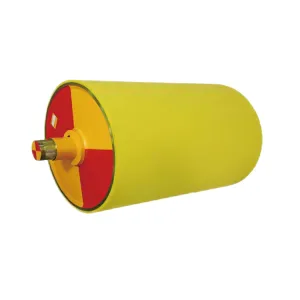
Tension roller
Category: Metallurgical rubber rollerBrowse number: 50Number:Release time: 2025-08-22 10:28:49Tension rollers are mainly used to control and adjust the tension of materials (such as paper, film, metal strip, etc.) during transportation. It ensures constant tension of materials during processing through precise mechanical structure and control system, avoiding material breakage, wrinkling or deformation, and improving production efficiency and product quality.
News
Category:
No search results found!
Case
Category:
No search results found!
Video
Category:
No search results found!
Download
Category:
No search results found!
Job
Category:
No search results found!
Featured Products
No search results found!

 Contact person:Mr.Wu
 Phone:+86 18602539156
 Email:wuqi231138@126.com